Villa Sigma
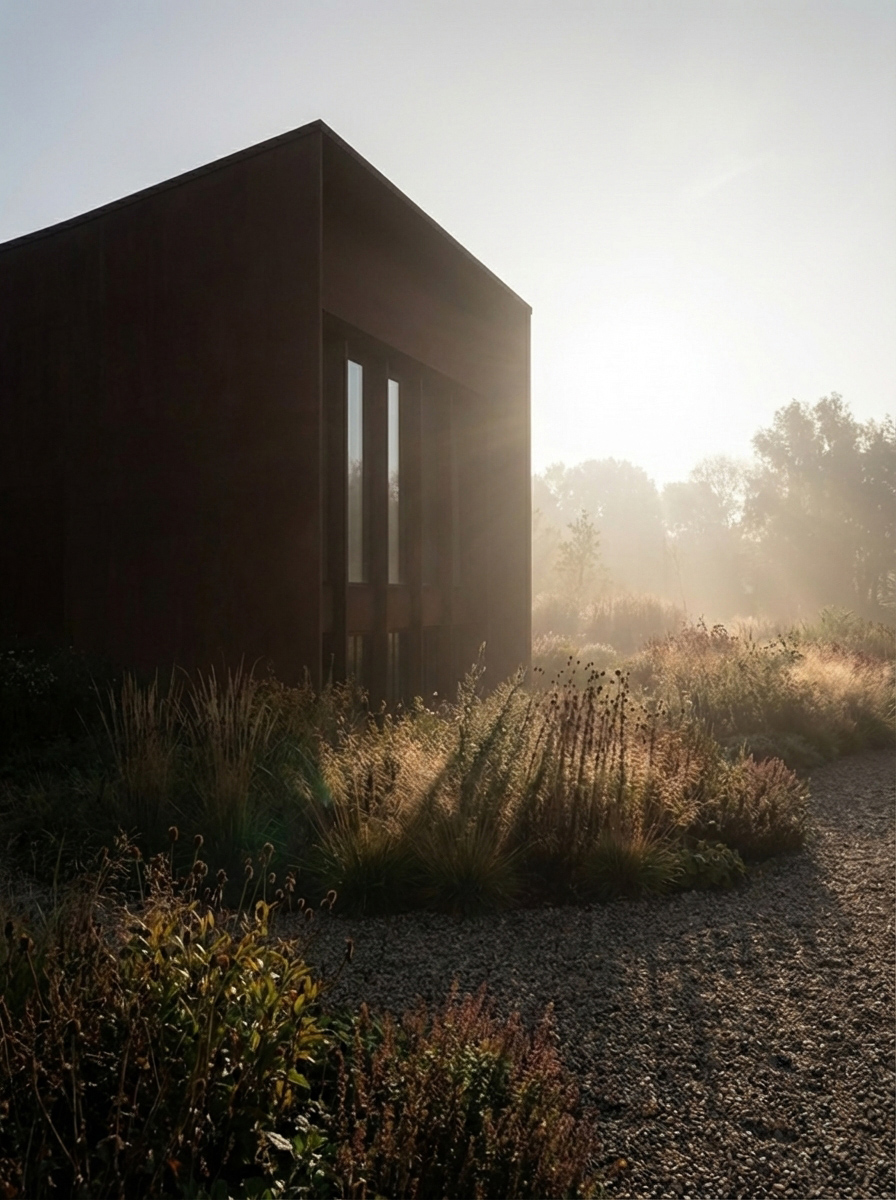
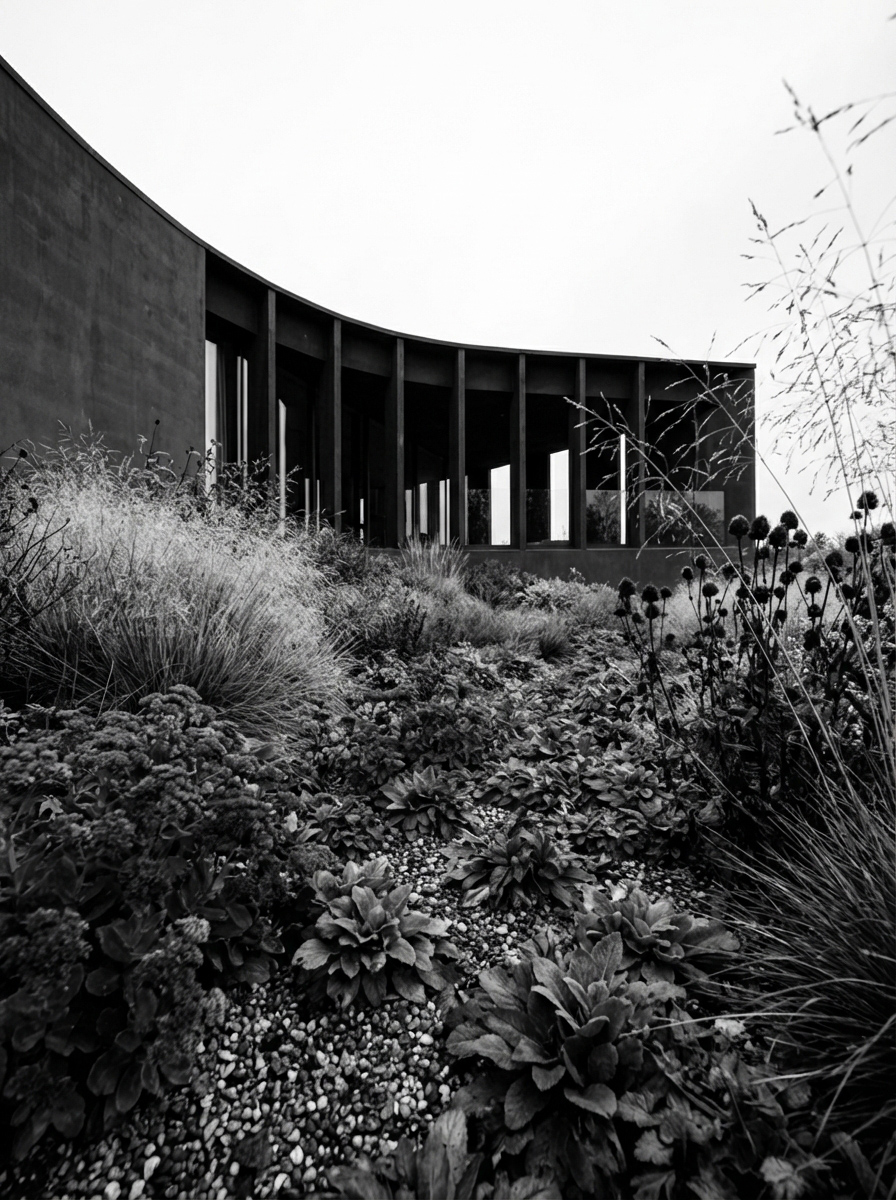
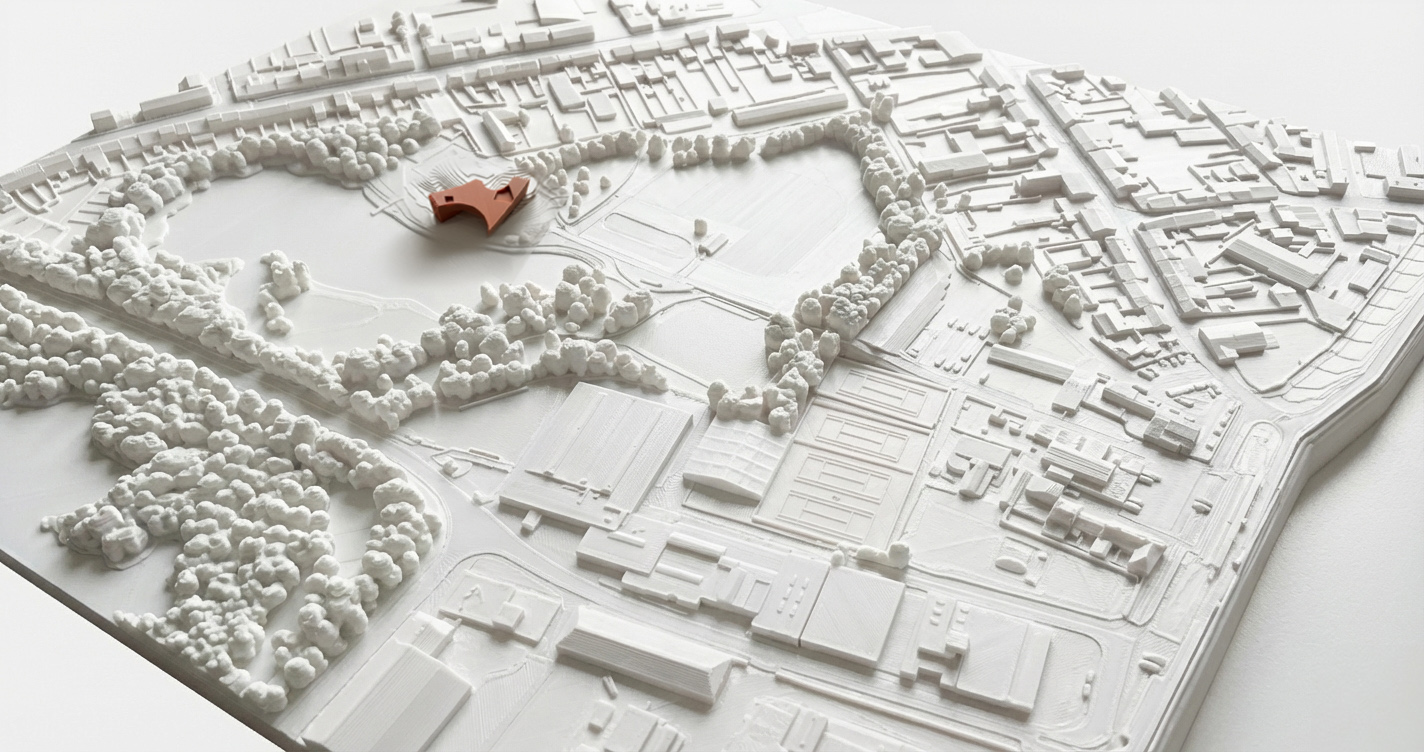
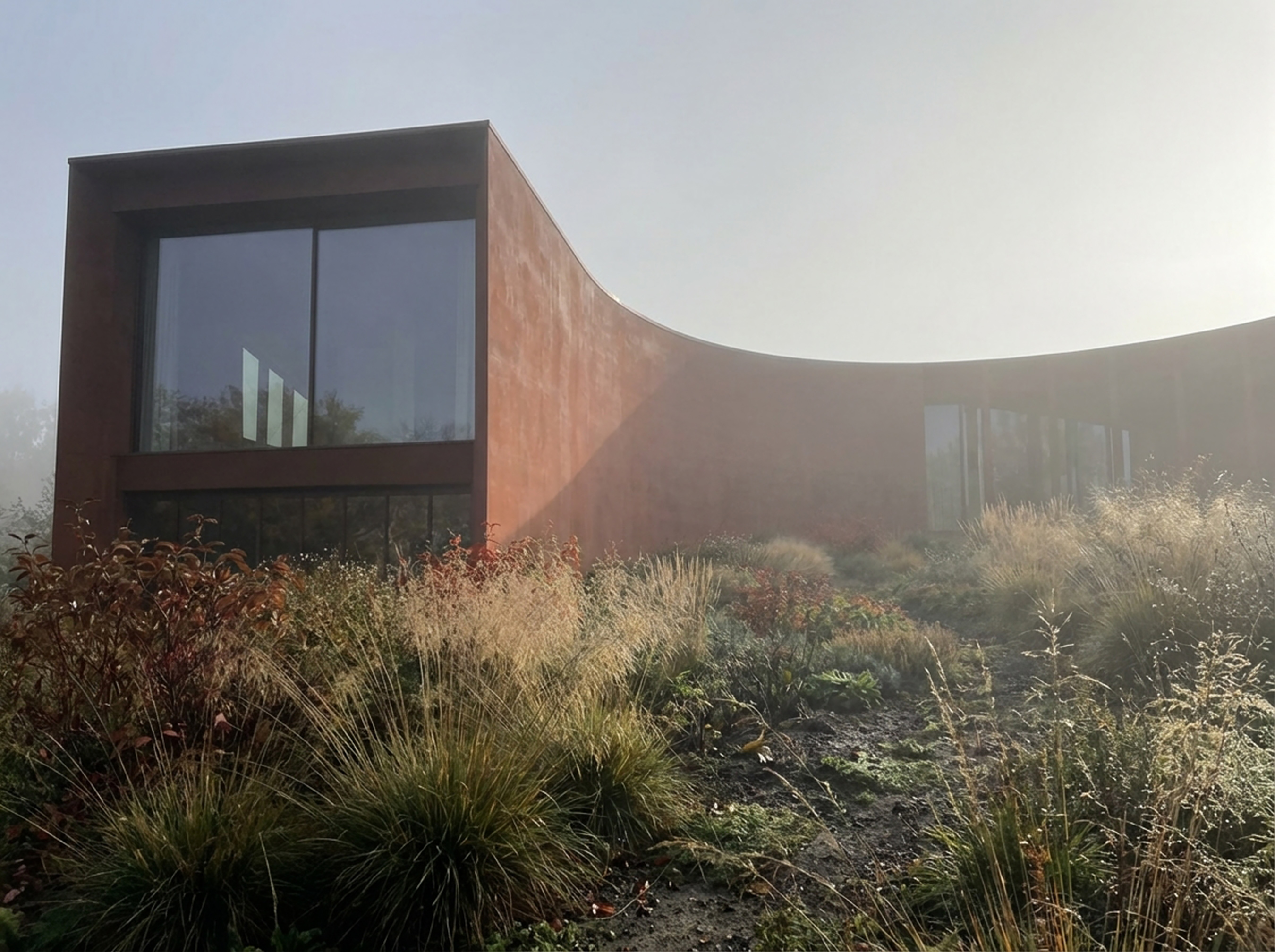
Villa Sigma is a residential project where architecture and landscape operate as a continuous system. Set within a large park along the river Scheldt, the building engages its context through elevation, structure and material presence. While the realised project is clear and resolved, it is the outcome of an extensive process of refinement, in which architectural ambition was continuously tested and adapted without losing its core intent. The project’s early conceptual phase was recognised internationally through its selection for the World Architecture Festival (WAF)
The project refers explicitly to the Sigma Plan, the Flemish strategy for flood control and landscape resilience along the Scheldt basin. This infrastructural logic informed the initial conception of the building as a bridge-like structure, lifted above terrain and water. Standing on supports, the architecture allows landscape and water to flow beneath it, avoiding a conventional occupation of the ground and positioning the building as part of a larger territorial system.
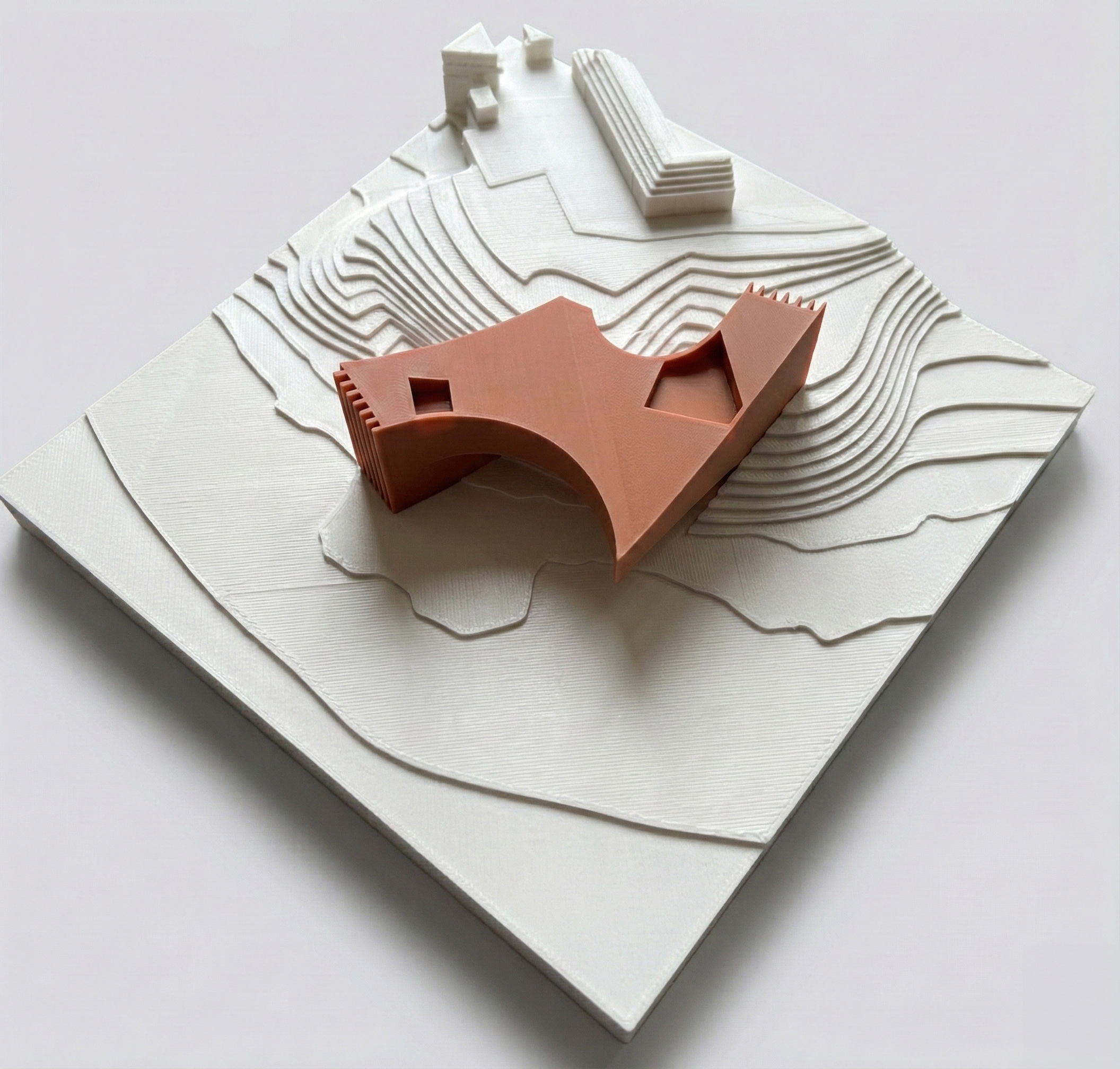
The exceptionally large site reinforced this reading. Topography, water and open space were treated as structuring elements, and early design stages included open urban design scenarios in which building, pond and landscape were considered as a continuous system. These explorations determined the final position, orientation and scale of the project.
To translate this complexity into built form, a self-developed design system — originating from a broader research into more intelligent ways of building — proved to be the most coherent approach. Rather than relying on predefined typologies, the system allowed the project’s organic geometry to be structured through consistent logic, enabling adaptability while maintaining spatial and constructional clarity.
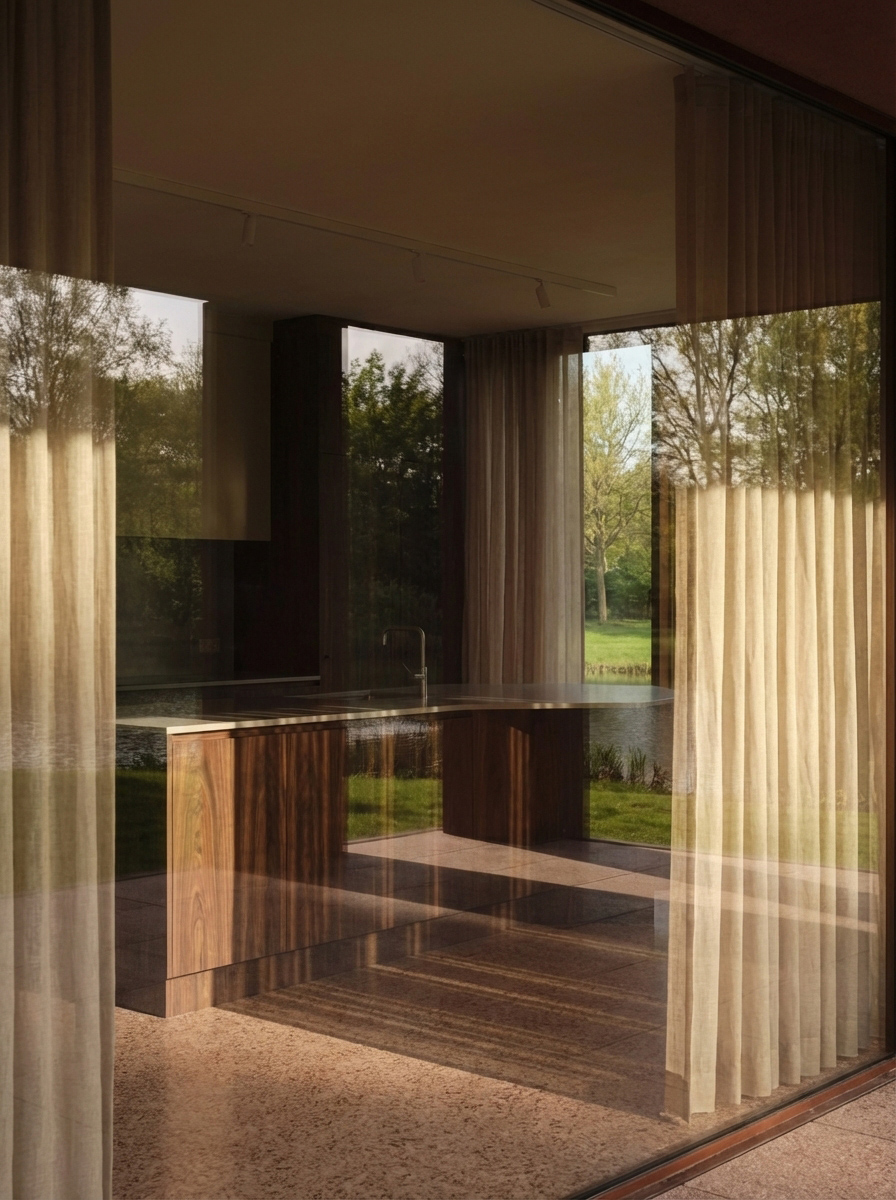
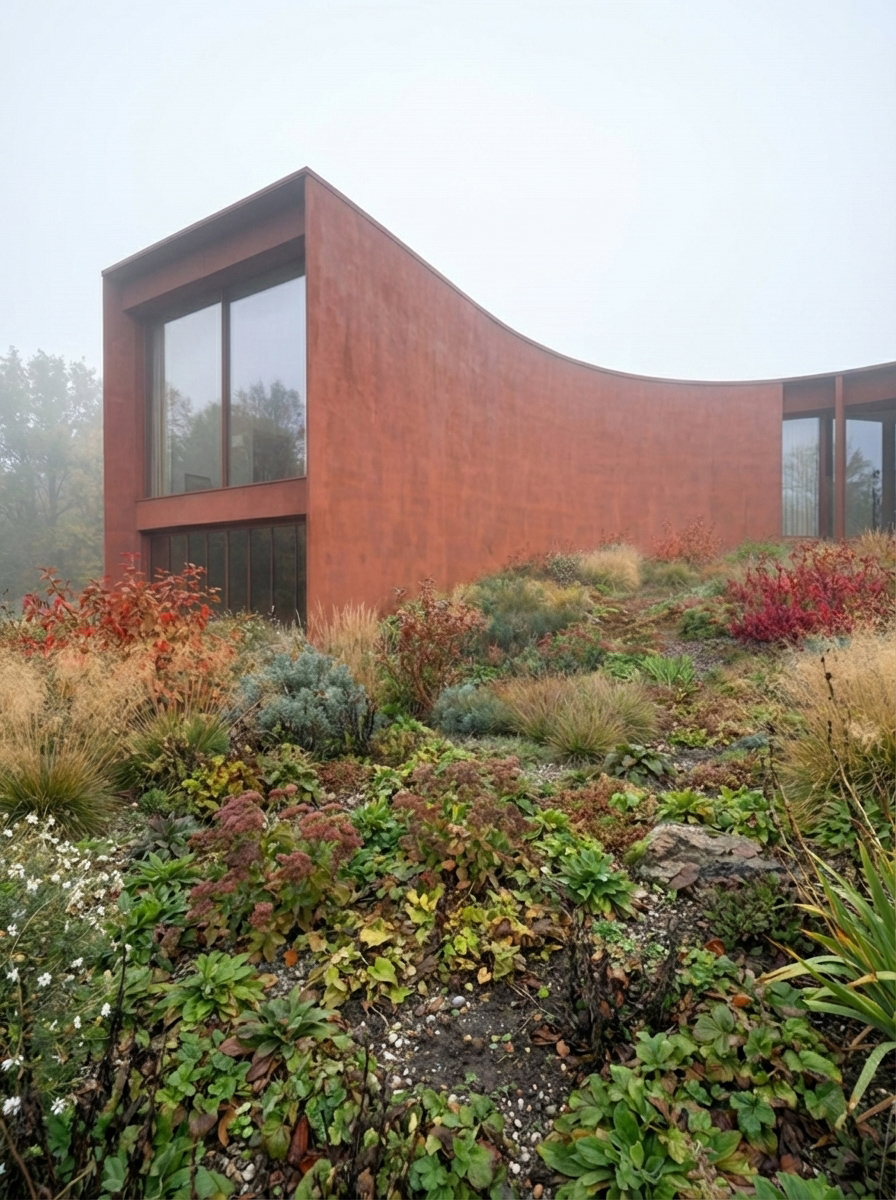
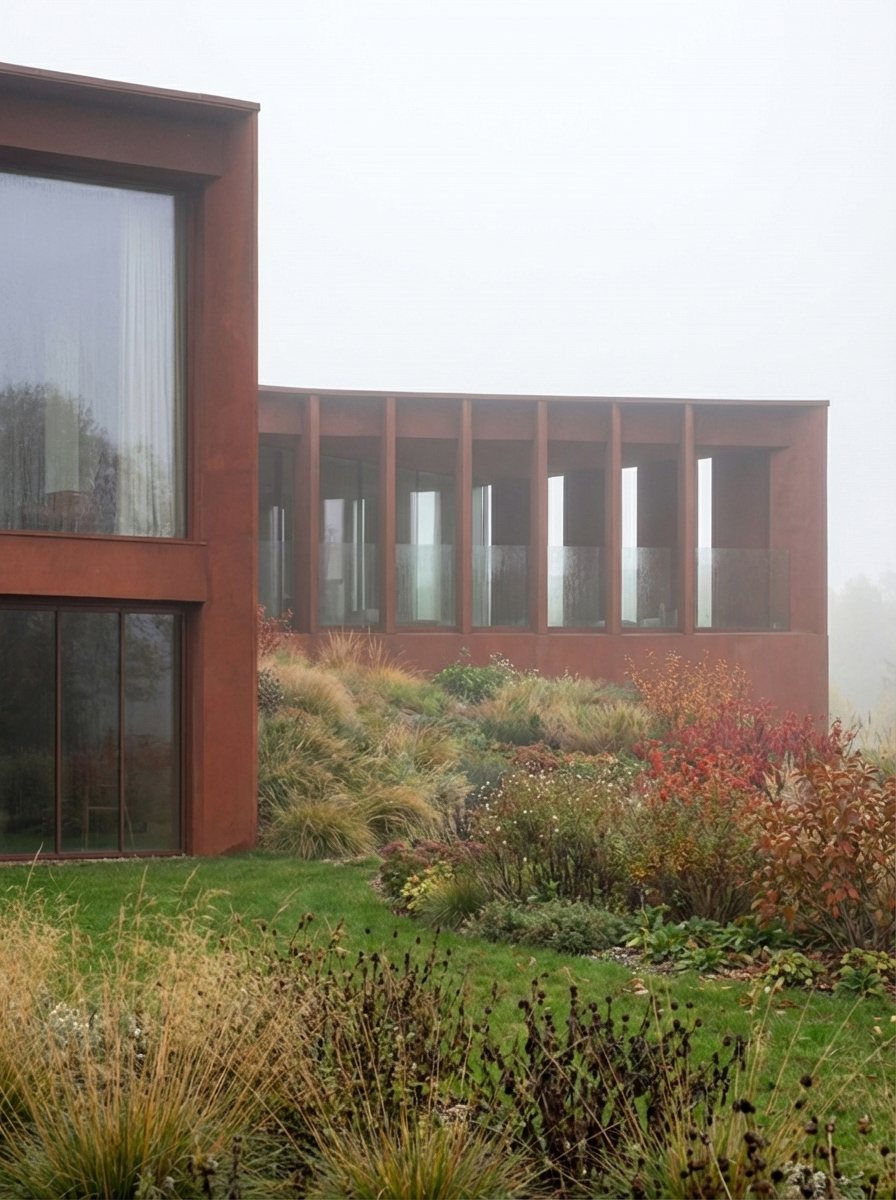
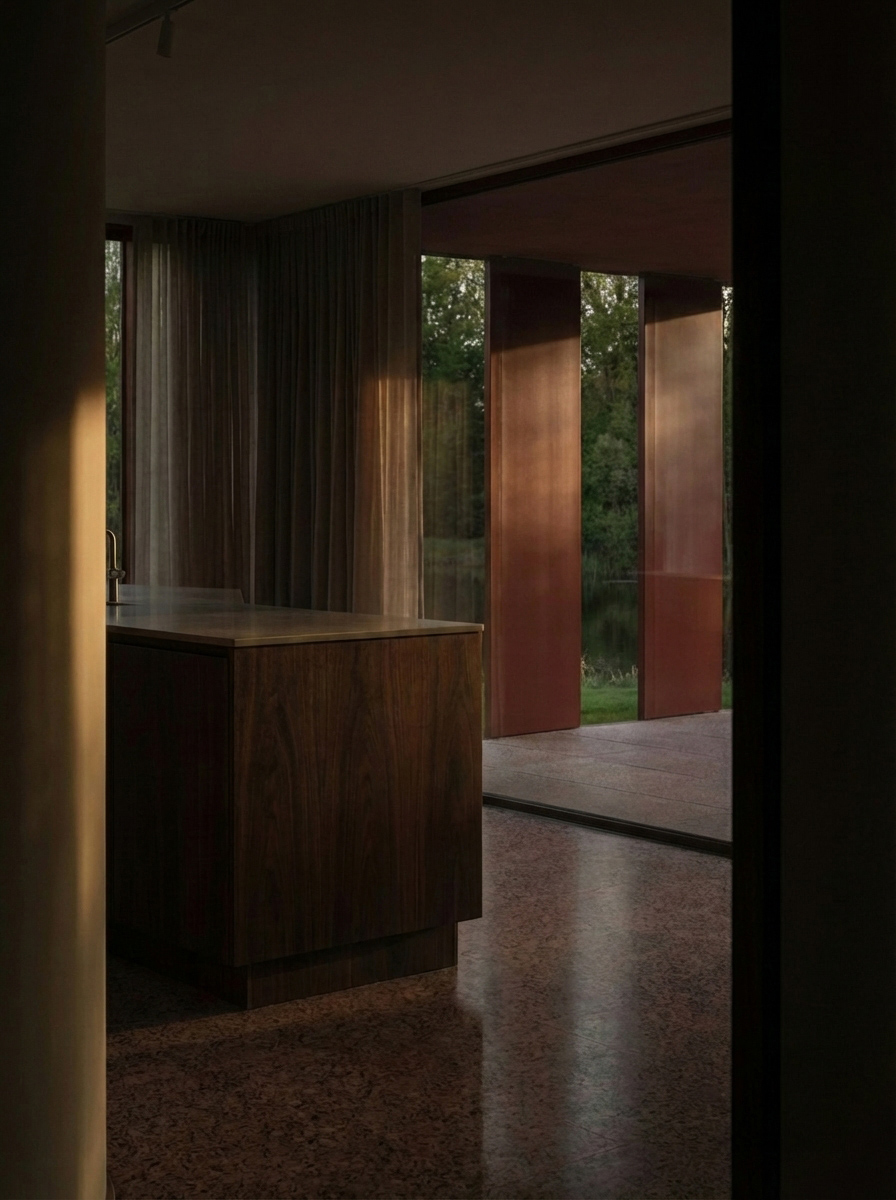
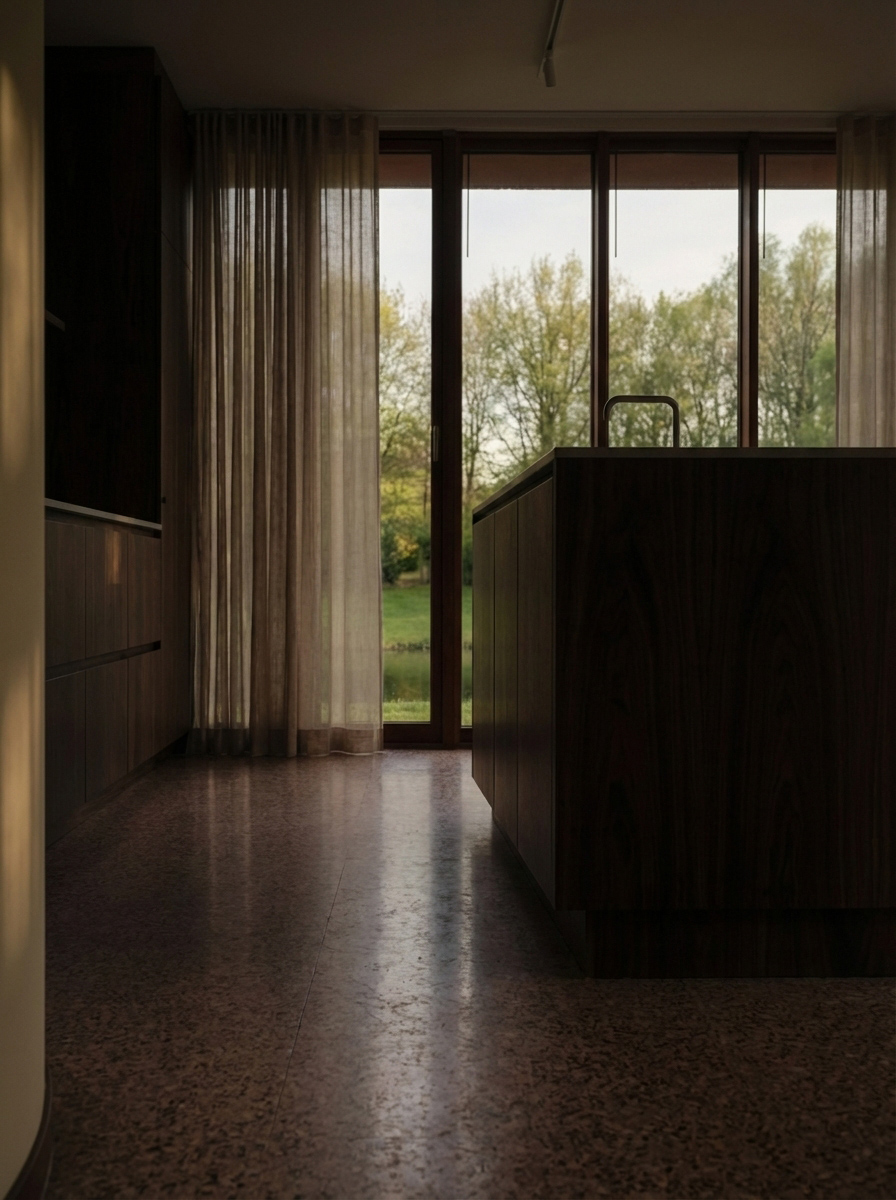
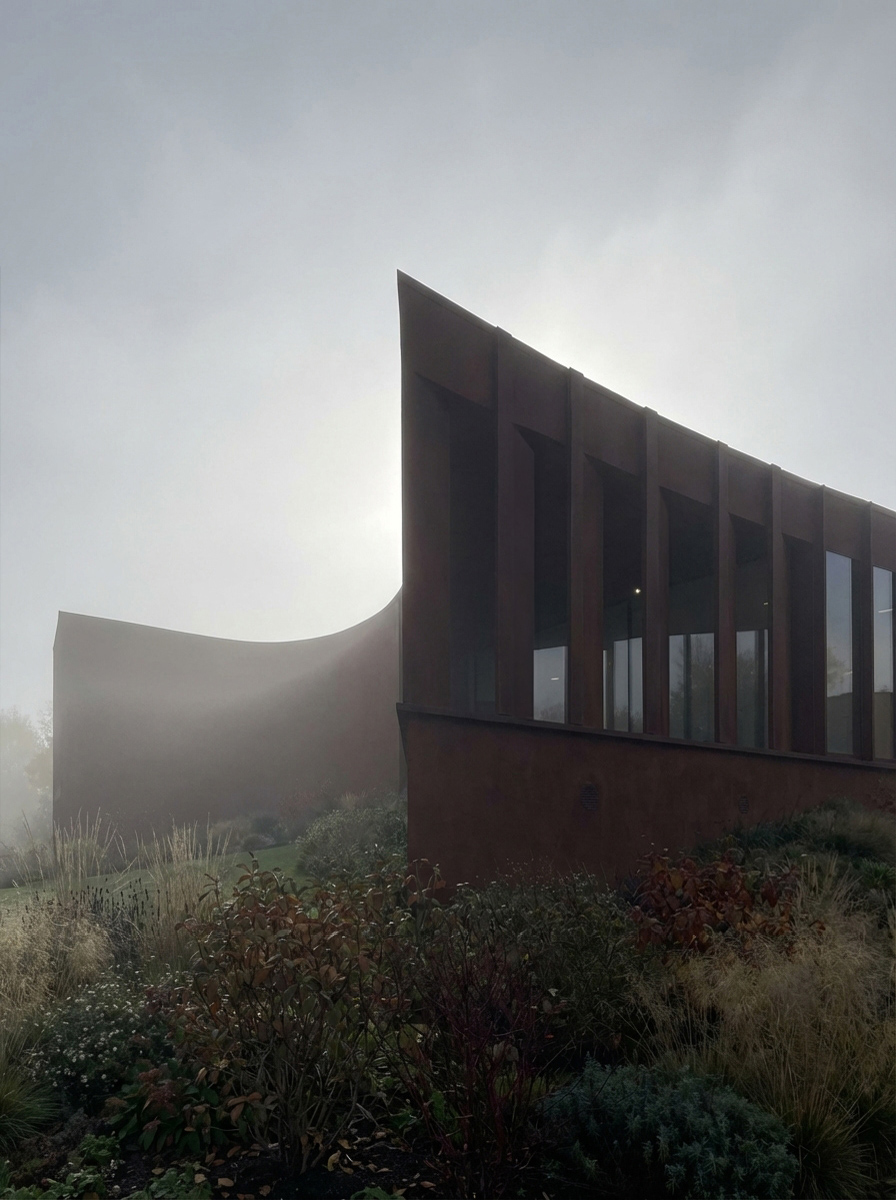
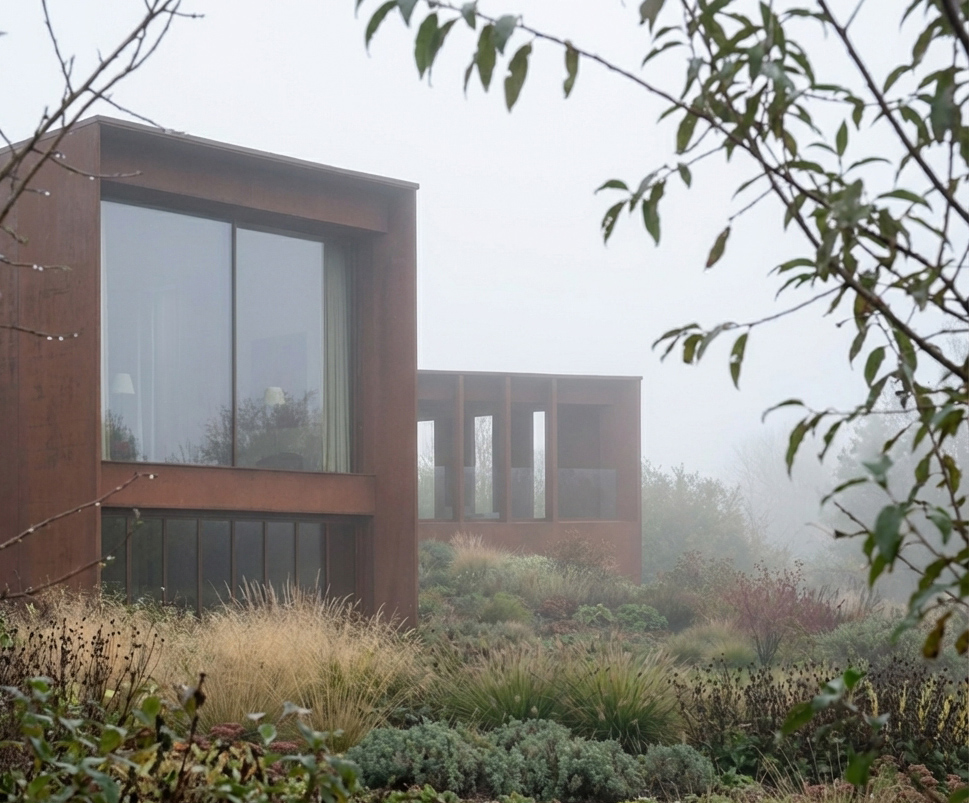
Within this landscape and system-based framework, the architectural form is directly generated by programme and use. Approached from the south by car, the kitchen is positioned at an elevated level, embedded in the topography and clearly articulated within the overall form. This space extends seamlessly into a sheltered terrace, protected by alternating lamellae that provide solar control and privacy. The terrace opens towards the pond, establishing a direct relationship between domestic life, landscape and water.
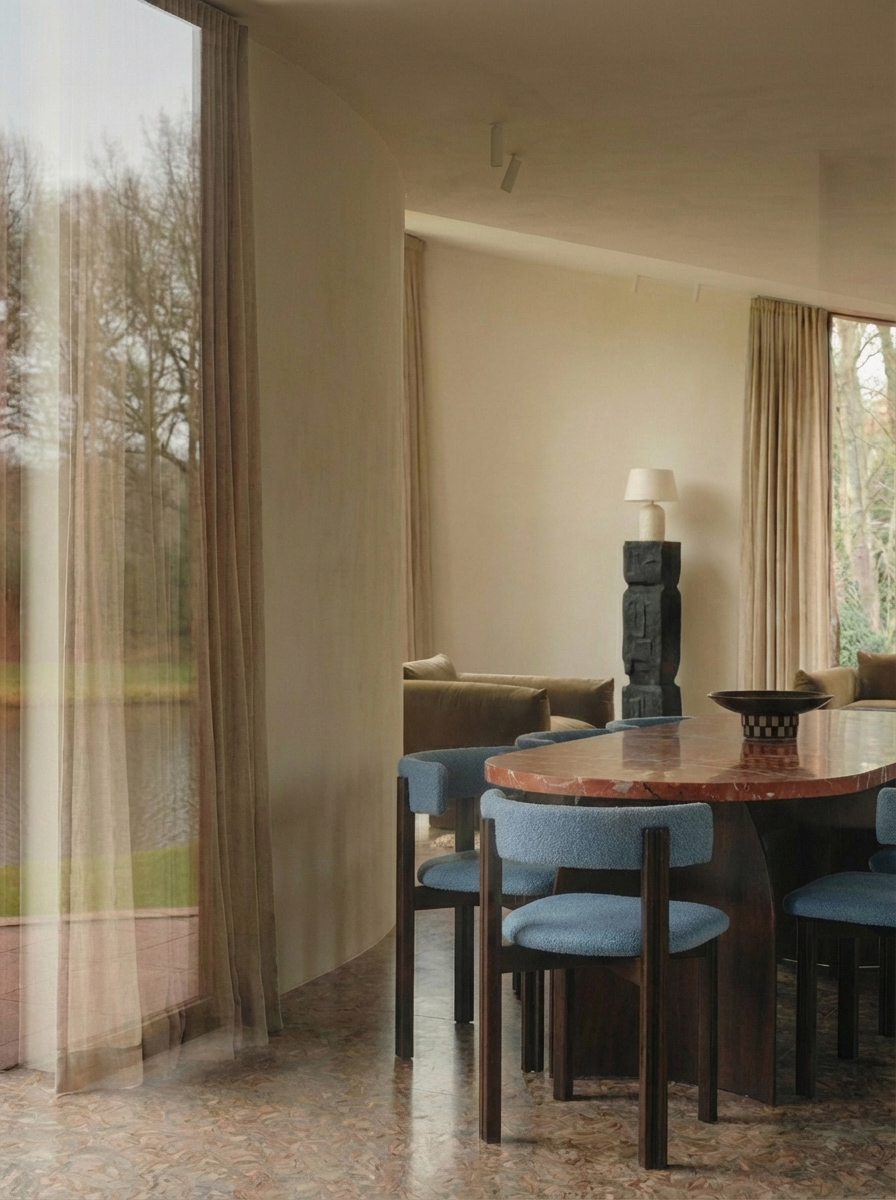
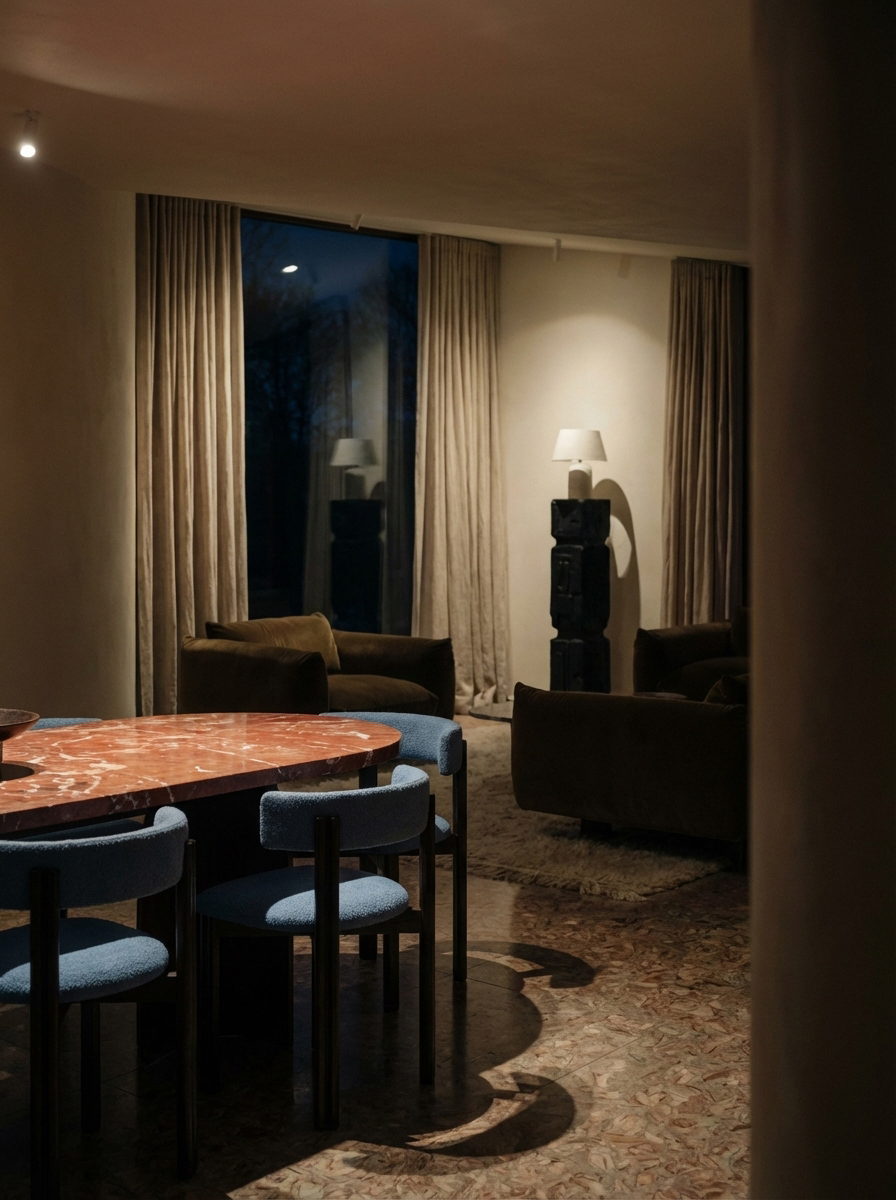
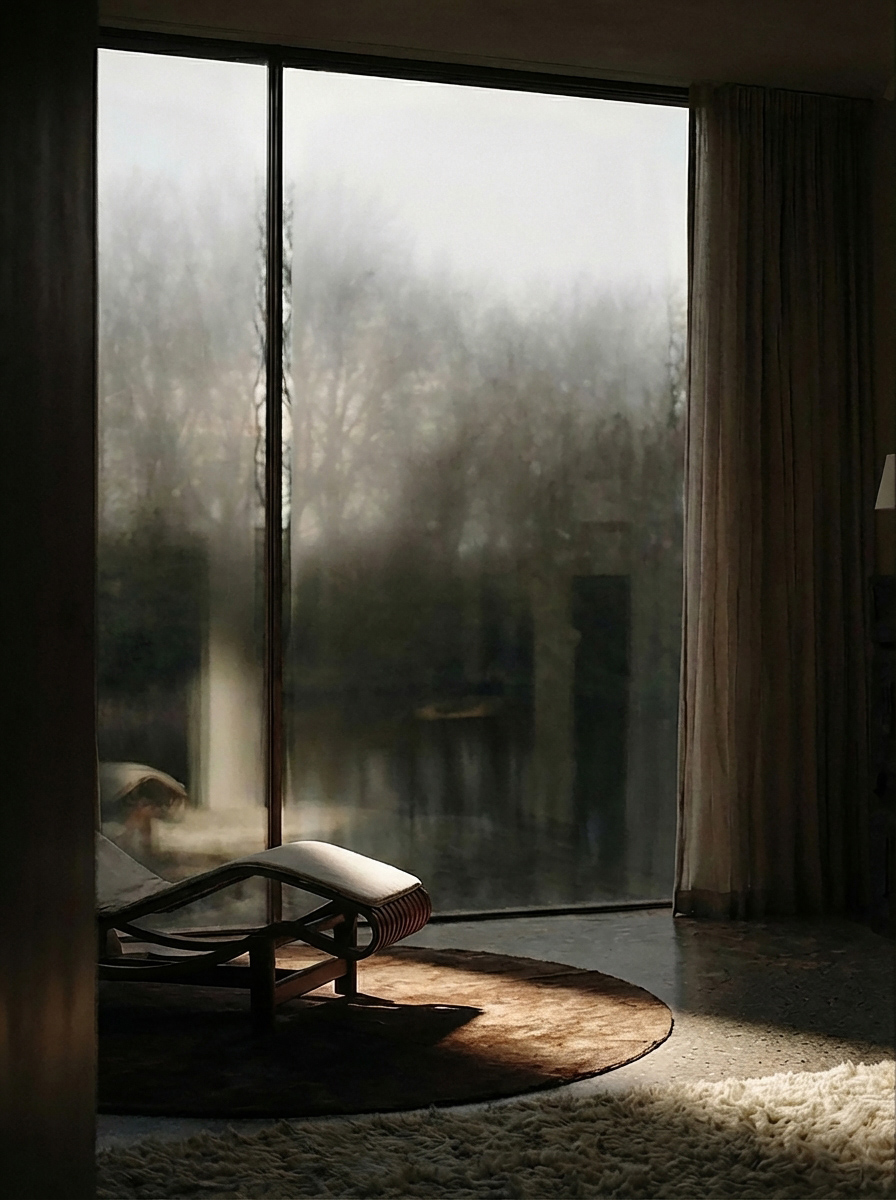
As the volume continues, the roof gently rises towards the main living space, where a large panoramic opening frames expansive views over the pond. This gradual increase in height reinforces the transition from more introverted, protected spaces to a fully open living area oriented towards the landscape.
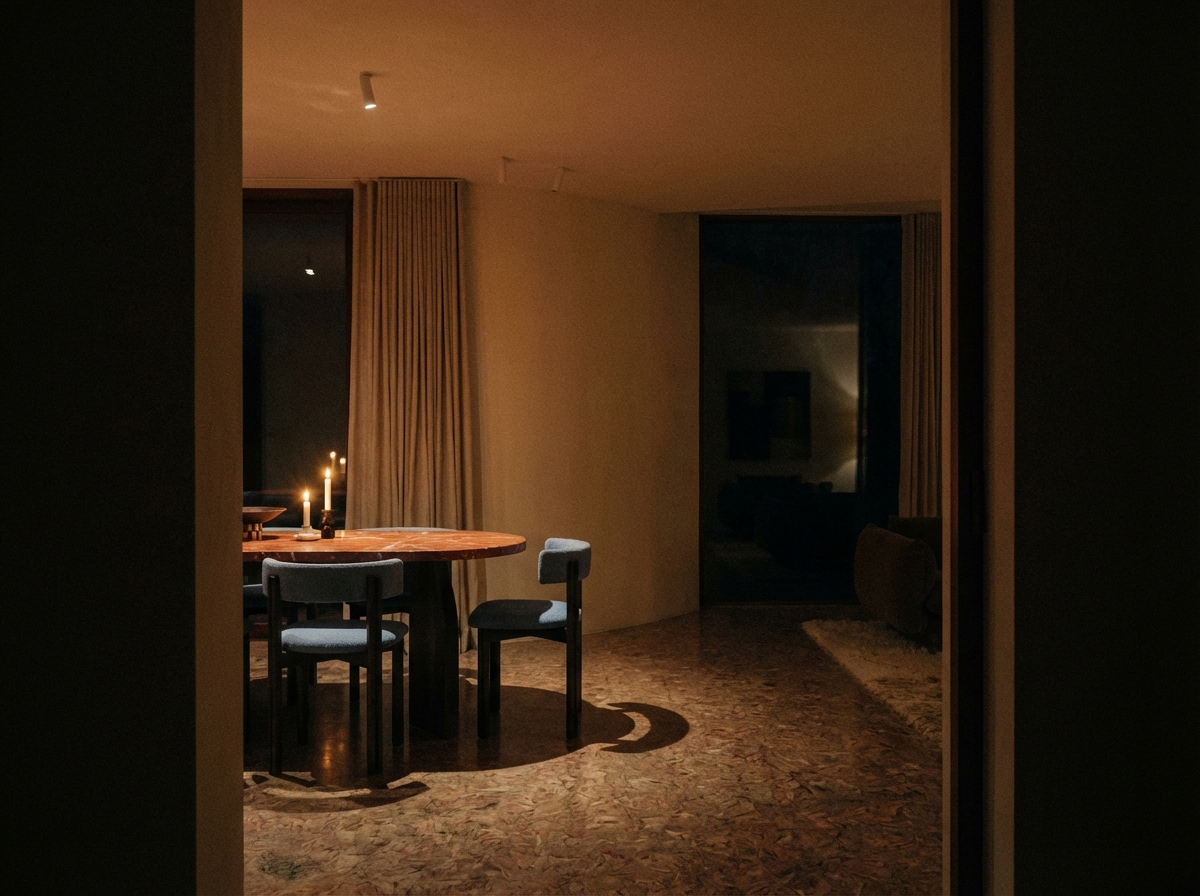
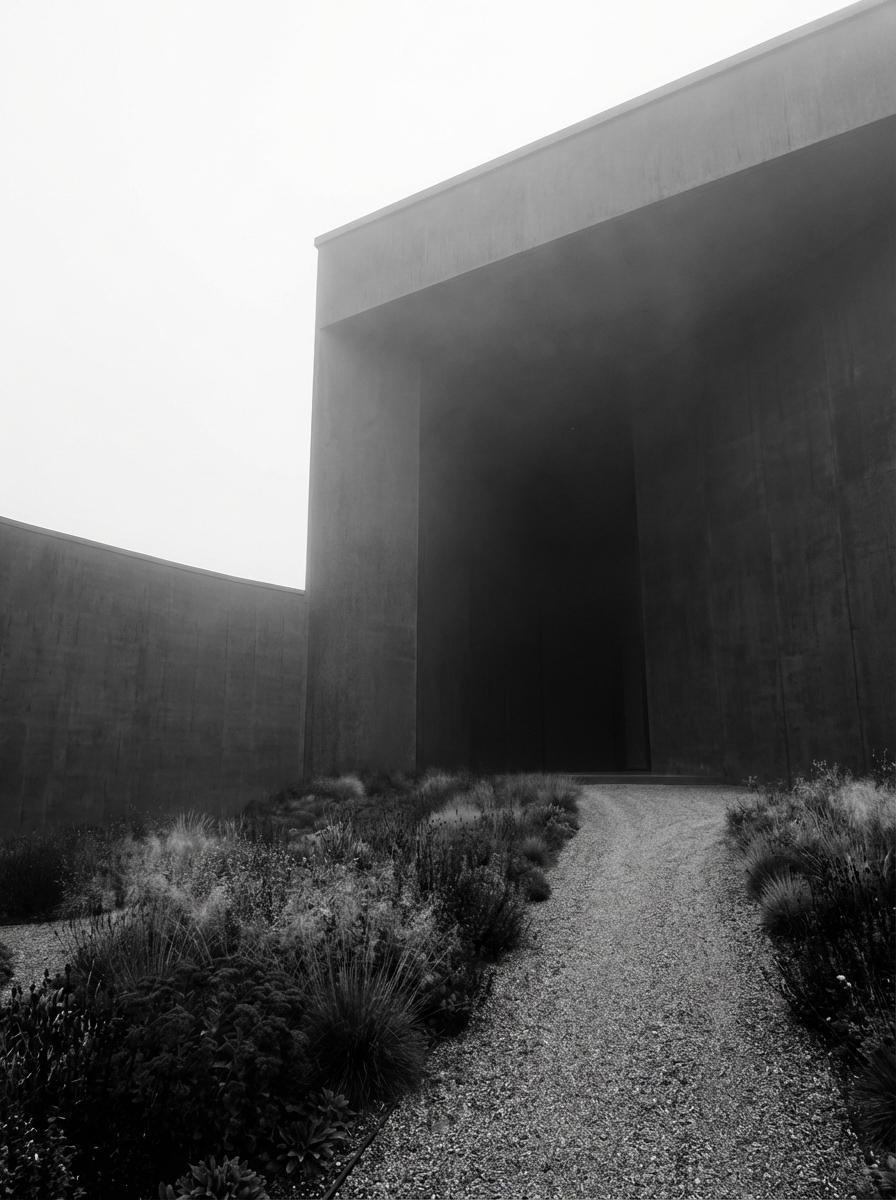
On the opposite side of the building, a lower and more discreet entrance connects the house to a narrow alley and a denser, more urban context. From this entrance, a guest room with private bathroom is accessed, allowing the house to accommodate visitors independently. A circulation axis runs through this zone and leads into an intermediate space between the kitchen and the living area, functioning as a spatial hinge within the house.
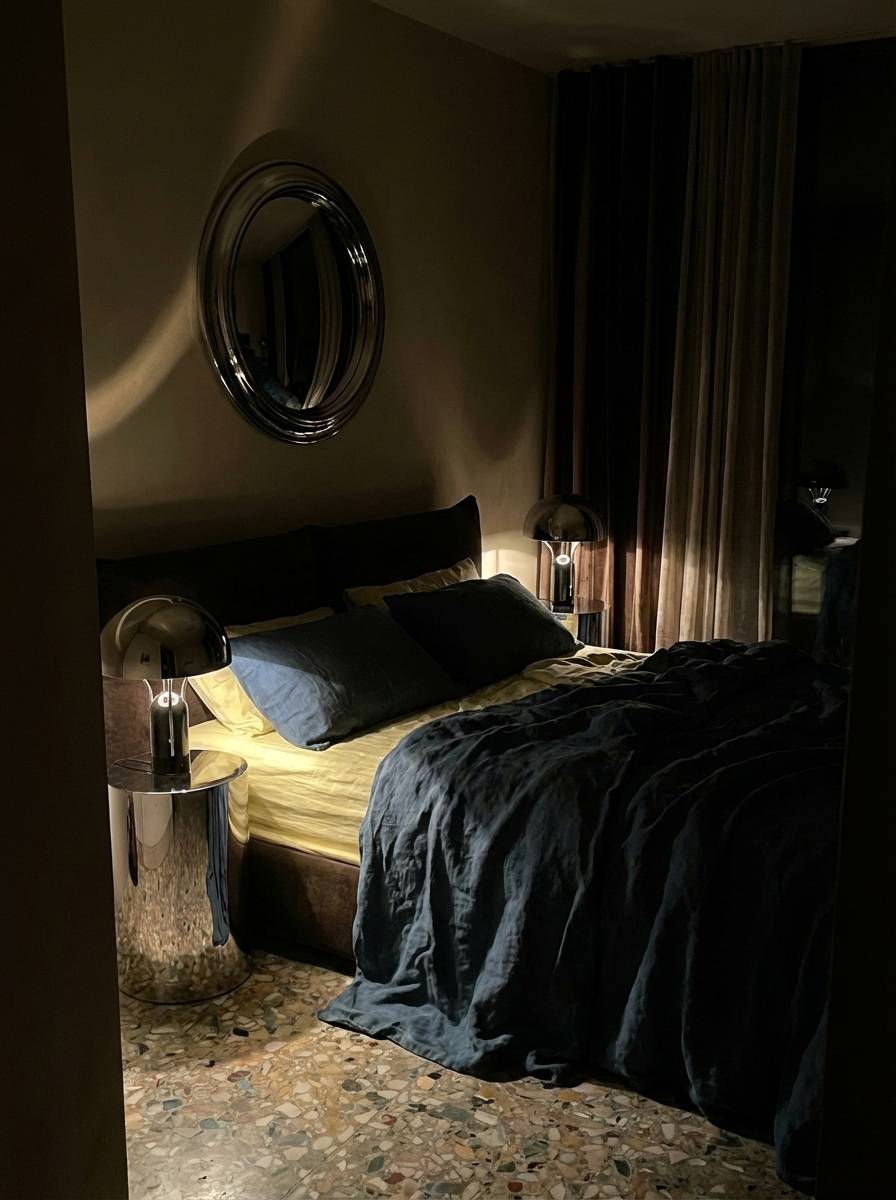
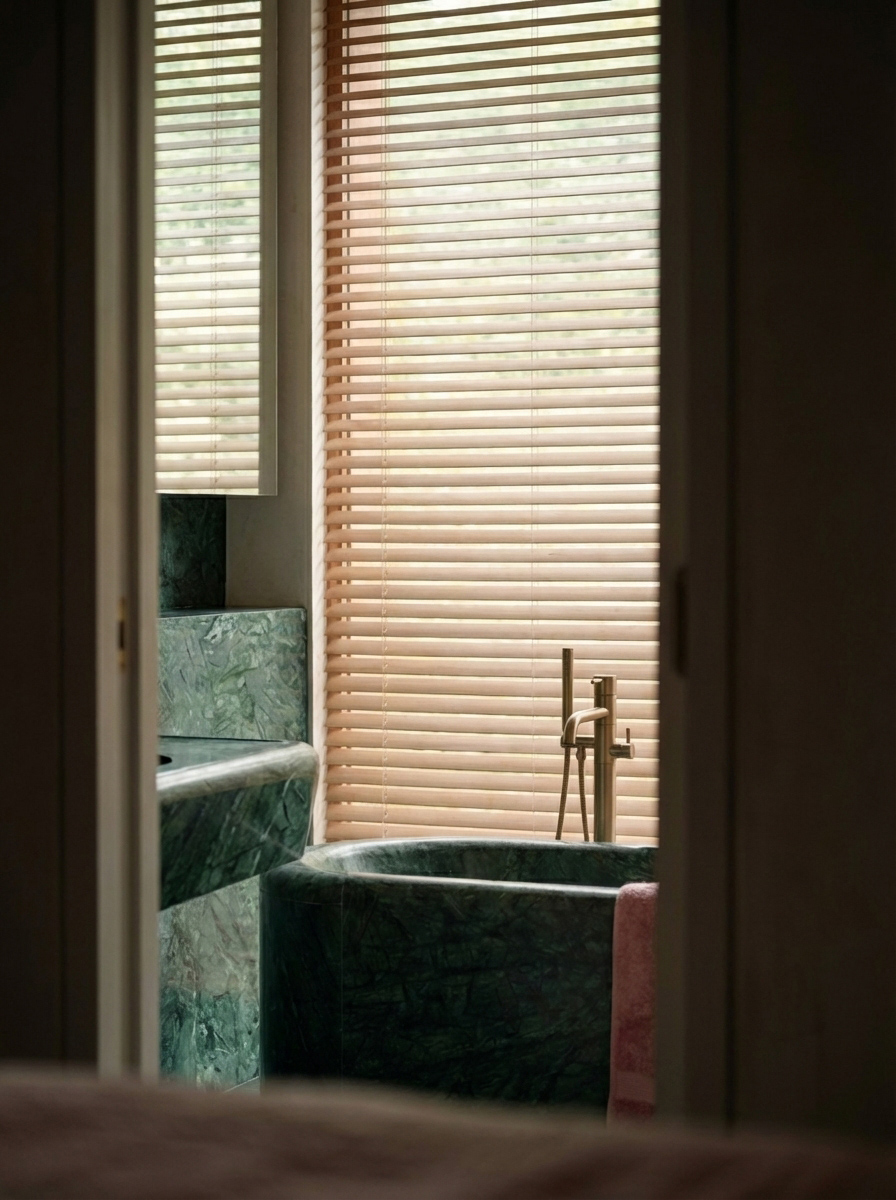
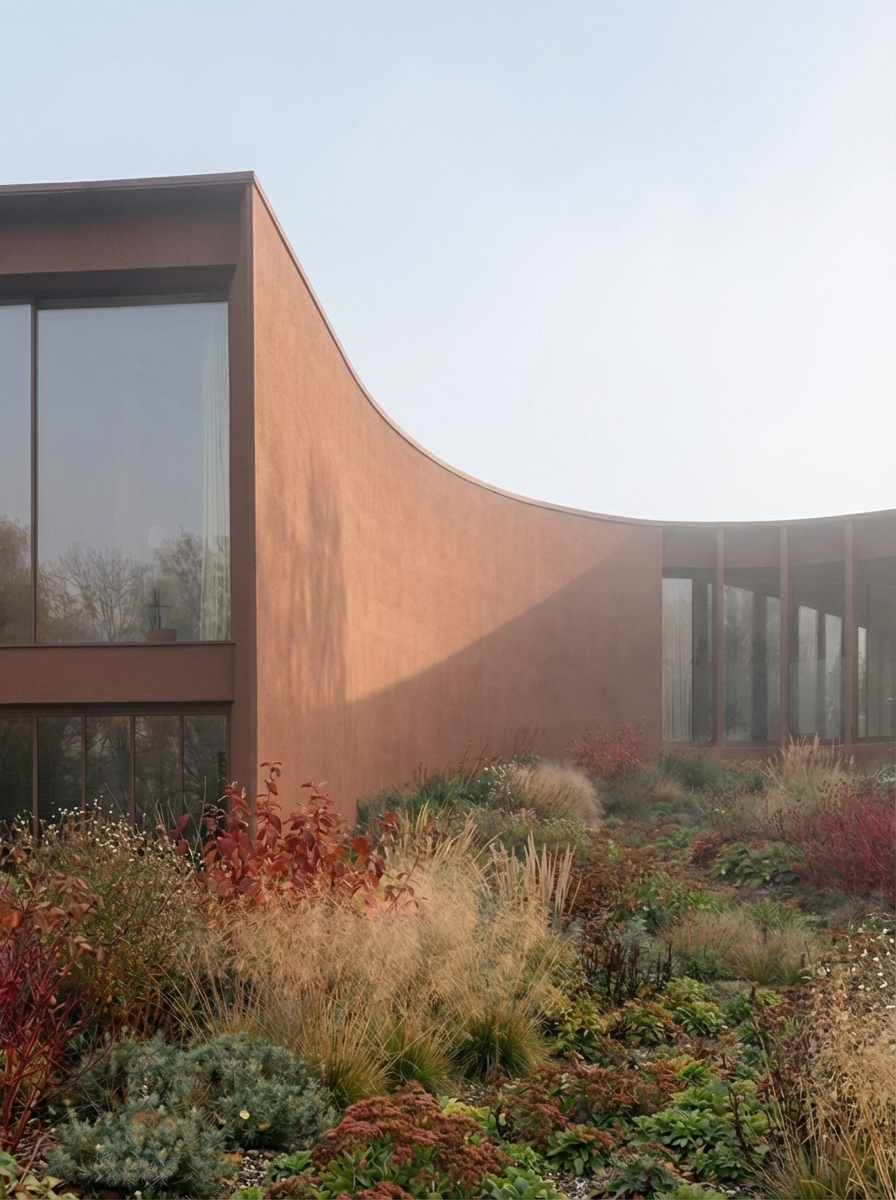
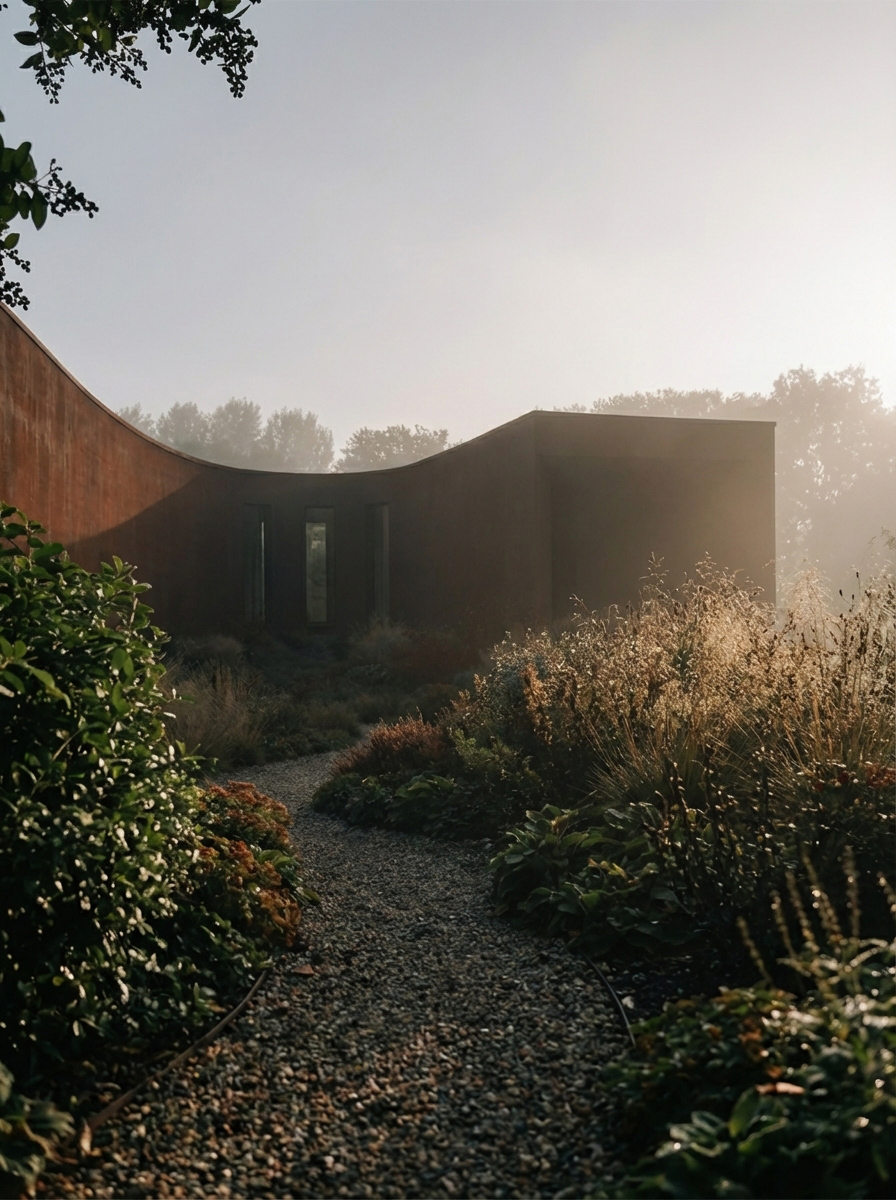
A more intimate wing, accessed through the curved geometry of the building, accommodates the primary bedroom with ensuite bathroom and dressing. Here, the architecture becomes more enclosed and protective, reinforcing privacy while remaining in dialogue with the surrounding landscape.
Materiality further anchors the architecture in its context. The colour refers to the traditional red lead (menie)historically used to protect iron structures in shipbuilding, establishing a link with the infrastructural and maritime character of the region. The adjacent pond is a former clay pit, where clay was extracted for the production of bricks in similar tonal ranges. Landscape, material and colour thus form a coherent narrative rooted in place.
Villa Sigma demonstrates how architectural ambition can evolve through adaptation and systematic thinking, resulting in built intelligence embedded in structure, material and spatial logic.
Images courtesy of Magalie Munters™ Architecture
Art direction and photographs by Magalie Munters™ Architecture